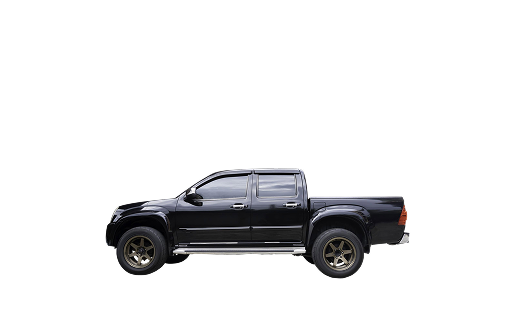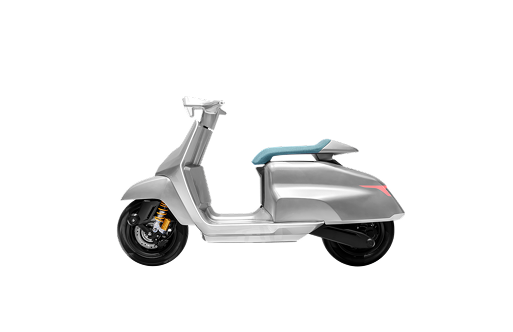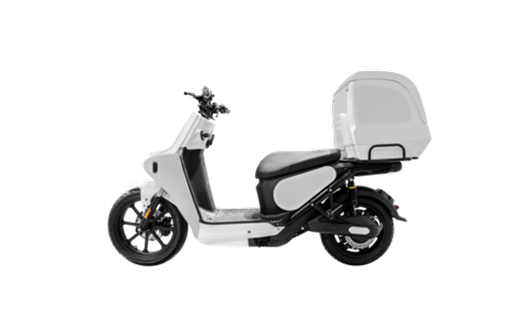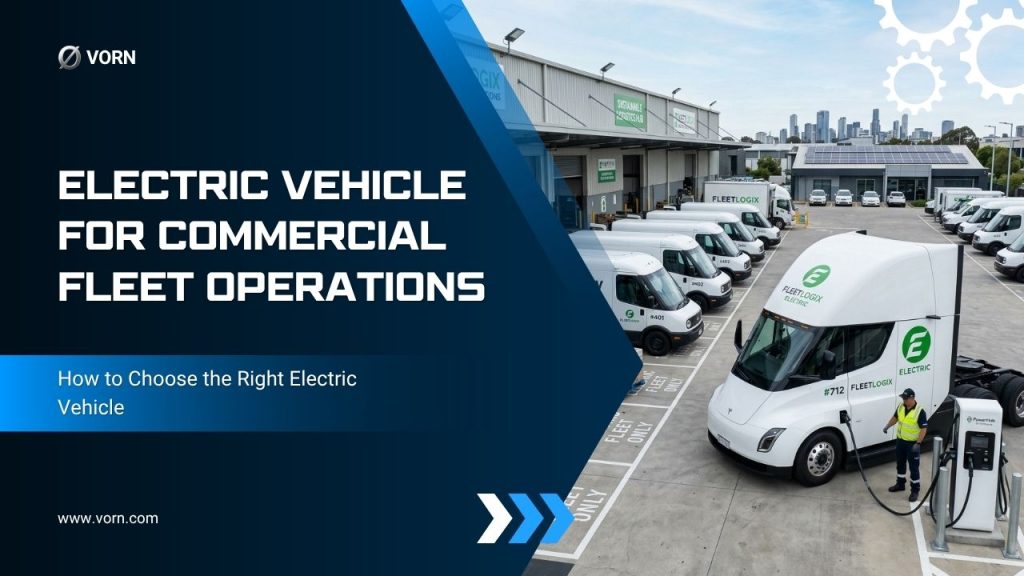
Fleet vehicle decisions often look simple early and get harder in actual use. A model may read well on paper and still create issues once routes, loading cycles, shift timing, and charging access shape the day.
The better question is how each vehicle will perform in your real operating conditions.
Here are the factors that usually bring the right choice into focus.
Match The Vehicle To Your Duty Cycle
Your daily movement pattern should shape the choice early. Distance per shift, stop frequency, idle time, terrain, and route consistency all affect how an electric vehicle performs across the day.
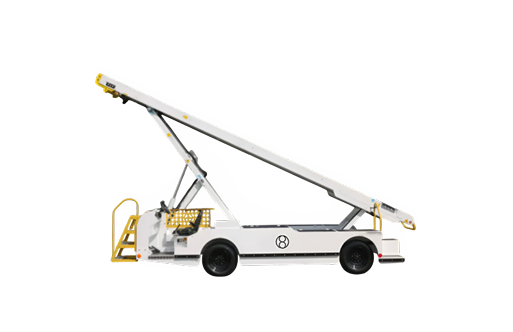
A last-mile delivery van in dense city traffic has different demands from an industrial vehicle inside a facility or an airport transport unit on fixed loops.
You get a clearer answer when you map the full shift first, because energy use, regeneration, and turnaround time all follow the route.
Check Payload, Space, And Operational Fit
Your load requirements often decide long-term suitability more than range figures. Cargo volume, weight distribution, access points, and cabin layout directly affect how efficiently your team can complete each job.
A vehicle that fits neatly into narrow facility lanes or allows faster loading cycles may deliver higher output across the day, even with a moderate range. Mixed-use fleets, where passenger transport and cargo movement overlap, also need careful layout planning so that space works with the job rather than slowing it down.
Plan Around Charging Access And Downtime Windows
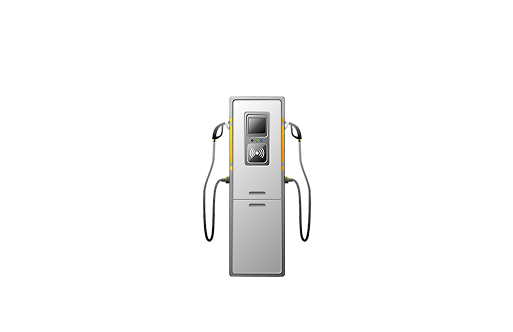
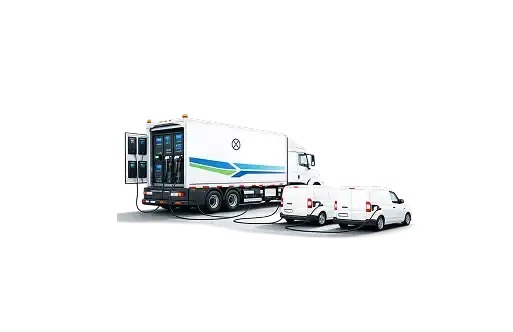
Your charging setup should align with how your fleet pauses, not interrupt it. Some operations rely on overnight depot charging, while others depend on mid-shift top-ups to keep vehicles moving through longer schedules.
When vehicle selection and charging design come together early, your daily plan holds steady and avoids reactive adjustments later.
Work in EV infrastructure and charging systems often shows how closely these decisions connect, since the vehicle and the charging environment form one continuous system across the day.
Look At Serviceability And Lifecycle Support
Long-term fleet performance depends on how smoothly each vehicle can stay in circulation.
Parts availability, workshop access, diagnostic capability, and planned maintenance all influence how much time a vehicle spends on the road versus in service.
A model that fits your support network usually creates fewer interruptions for drivers, planners, and site teams over time.
Early clarity on service and lifecycle needs also gives you a firmer view of operating costs after the initial purchase.
Final Thoughts
A strong fleet decision usually comes from fit. The vehicle needs to suit your routes, your load profile, your charging windows, and the pace of your operation.
Once those pieces line up early, procurement becomes easier and daily performance becomes more predictable. Our work often sits in that same planning stage, where vehicles, charging, and operating conditions need to make sense together.
If you are reviewing fleet options or reworking an existing setup, contact us to build a system that fits the work from day one.
Recent Post
-

What Impacts EV Performance in Daily Urban Transport Use
Two runs on the same city route can place very different demands…
-
How Charging Station Design Affects Long-Term Fleet Efficiency
A fleet can lose useful time at the charger even when every…
-

Why EV Infrastructure Projects Fail Without Integrated Energy Planning
Infrastructure plans often begin with a charger count, a location map, and…