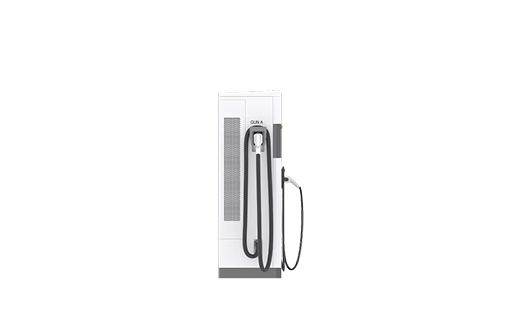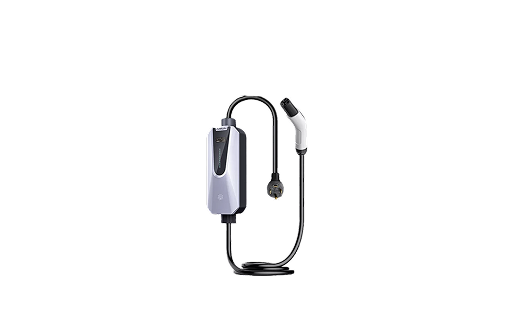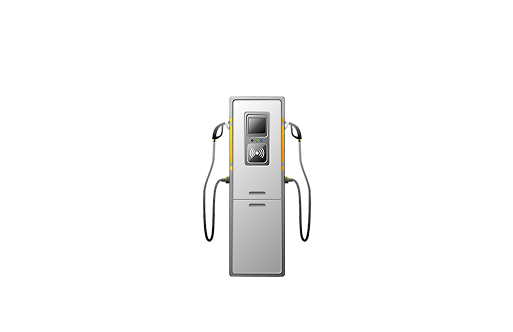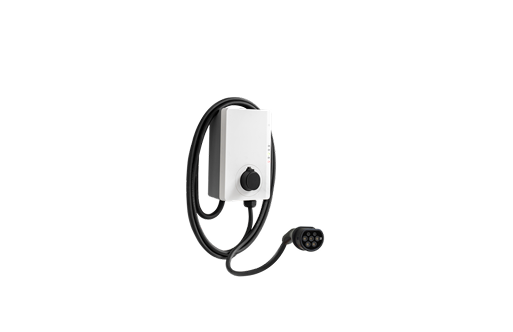
A fleet can lose useful time at the charger even when every vehicle gets the energy it needs.
The delays often come from choices around charger power, access, queueing, and scheduling.
Repeated across many arrivals, those minutes start affecting vehicle availability and operating cost.
Following the vehicle from return to departure makes those design choices easier to understand.
Charger Power Has to Fit the Time Vehicles Are Parked
Charging speed matters in relation to dwell time, because an overnight vehicle has a different requirement from one returning for a short break between shifts.
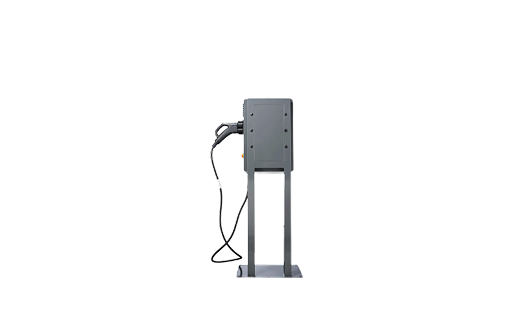
Long depot stays may suit lower-power charging, while short turnaround windows may call for DC fast charging.
Battery size, energy used per shift, and the next departure time give you a firmer basis for choosing charger power.
The Charger-to-vehicle Ratio Shapes Queues
The useful charger count depends on how many vehicles arrive together and how long each charging session lasts.
Staggered return times may let several vehicles share chargers comfortably, while a heavy evening return period puts more pressure on the schedule.
You’ll usually learn more from arrival patterns and dwell time than from vehicle count alone.
Small Layout Details Add Up Across Daily Charging Stops
Drivers use the same spaces repeatedly, so physical details can save or consume minutes every time a vehicle plugs in.
- Bay position gives drivers enough turning room to enter, connect, and leave cleanly.
- Cable reach needs to suit charging-port positions across the fleet.
- Queue space keeps waiting vehicles clear of departure routes.
- Service access leaves technicians enough room around the equipment.
This side of EV charging station design also informs our fleet charging infrastructure work, where placement has to suit the vehicles and normal site movement.
Installed Charger Power and Usable Power Can Differ
Several high-power chargers may sit at a depot while the electrical system still sets how much power they can receive at once.
Managed charging can divide that supply according to departure time, battery state, or demand elsewhere on site.
For your fleet, the useful figure is the power available during the busiest return period.
Charging Controls Decide How Shared Power is Used
When several vehicles plug in together, the charging network can allocate power around the fleet’s working schedule.
- Departure time can move an earlier vehicle higher in the charging order.
- State of charge can send more power toward a lower-battery vehicle.
- Route demand can shape how much energy a vehicle needs before departure.
- Site demand can change charging rates as other electrical loads rise or fall.
This is where managed charging starts affecting which vehicles are ready for the next shift.
Monitoring Makes Charging Problems Easier to See
A useful charging network gives operators visibility into charger status, energy delivered, session history, faults, and availability.
Our work across charging and energy control systems follows the same need, because teams need a clear view of what’s happening when a charger or charging session starts behaving differently from expected.
Maintenance Access Protects Usable Charging Capacity
Charger uptime also depends on whether technicians can reach equipment easily while the rest of the station keeps working.
Spacing, equipment access, and spare charging capacity matter more as the fleet grows, because one unavailable charger can affect several departures when the schedule is tight.
Designing for service gives your team more room to handle faults while keeping queues contained.
Final Thoughts
Long-term fleet efficiency is shaped by what happens during hundreds of ordinary charging stops.
When charger power, vehicle flow, controls, monitoring, and maintenance access fit the way the fleet works, charging sits more comfortably around daily operations.
Our work brings those physical and energy considerations together across fleet charging infrastructure.
If you’re planning or expanding a fleet charging site, contact us to discuss what the station needs to support over the long term.
Recent Post
-

What Impacts EV Performance in Daily Urban Transport Use
Two runs on the same city route can place very different demands…
-
How to Choose the Right Electric Vehicle for Commercial Fleet Operations
Fleet vehicle decisions often look simple early and get harder in actual…
-

Why EV Infrastructure Projects Fail Without Integrated Energy Planning
Infrastructure plans often begin with a charger count, a location map, and…