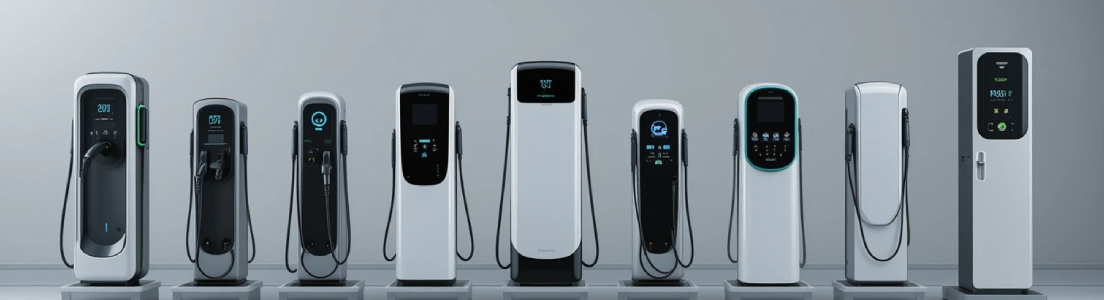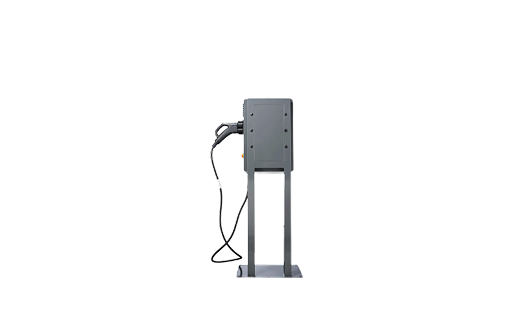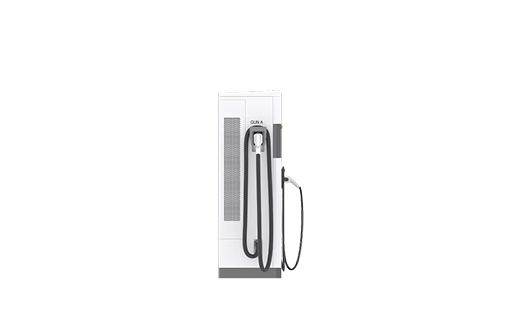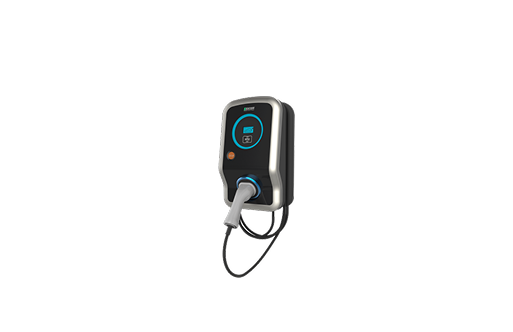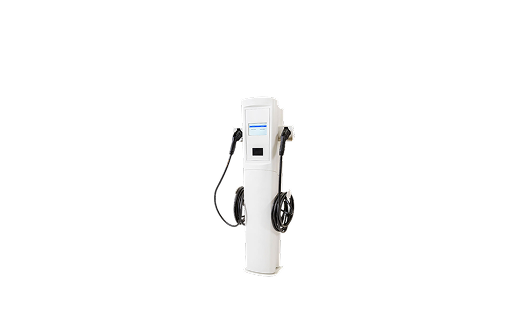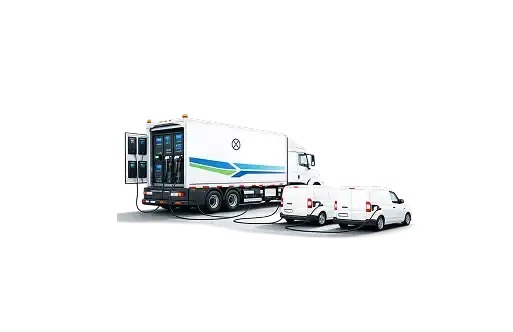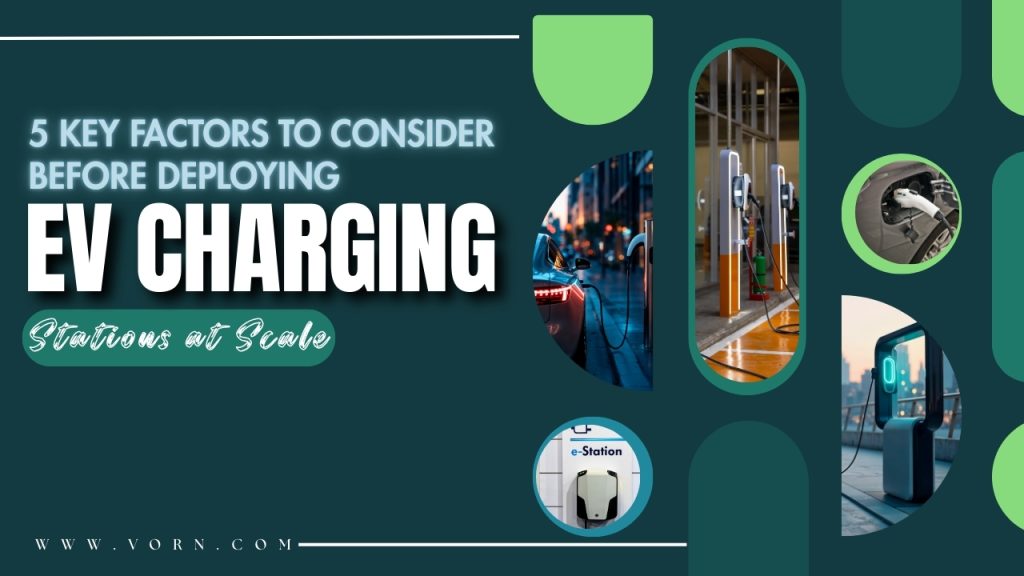
Deploying charging stations at scale does not follow the same logic as small setups.
Early installations usually fit into the existing electrical plan. Larger rollouts do not. Patterns change, load behavior shifts, and dependencies grow. What starts as a utility project turns into a system design challenge.
These shifts happen quietly, and often before the numbers look large. You might add ten chargers, but only two get used in sync. Then one schedule change puts pressure on all of them.
That’s when planning shows (or fails). Here are five areas where better planning tends to reduce long-term rework.
1. Power Timing, Not Just Power Quantity
Grid availability is rarely steady throughout the day. Public usage peaks follow traffic flow. Fleets often charge in batches. In both cases, actual demand arrives in blocks, not in a smooth curve.
That causes short bursts of high draw. Facilities that look “within limits” during planning may behave differently under real conditions.
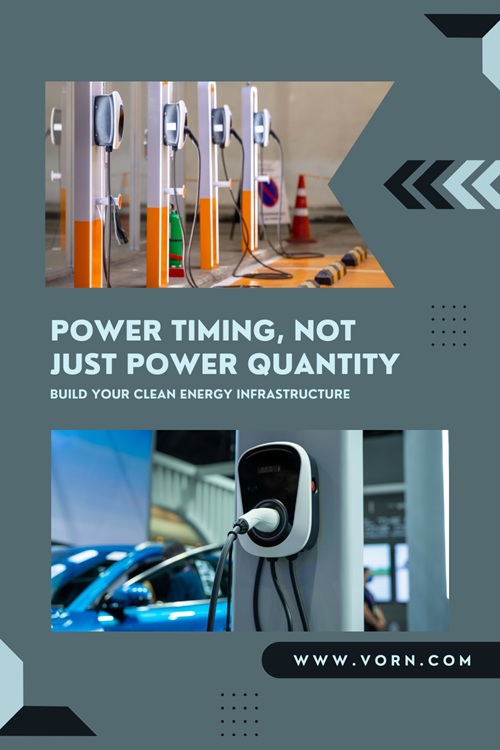
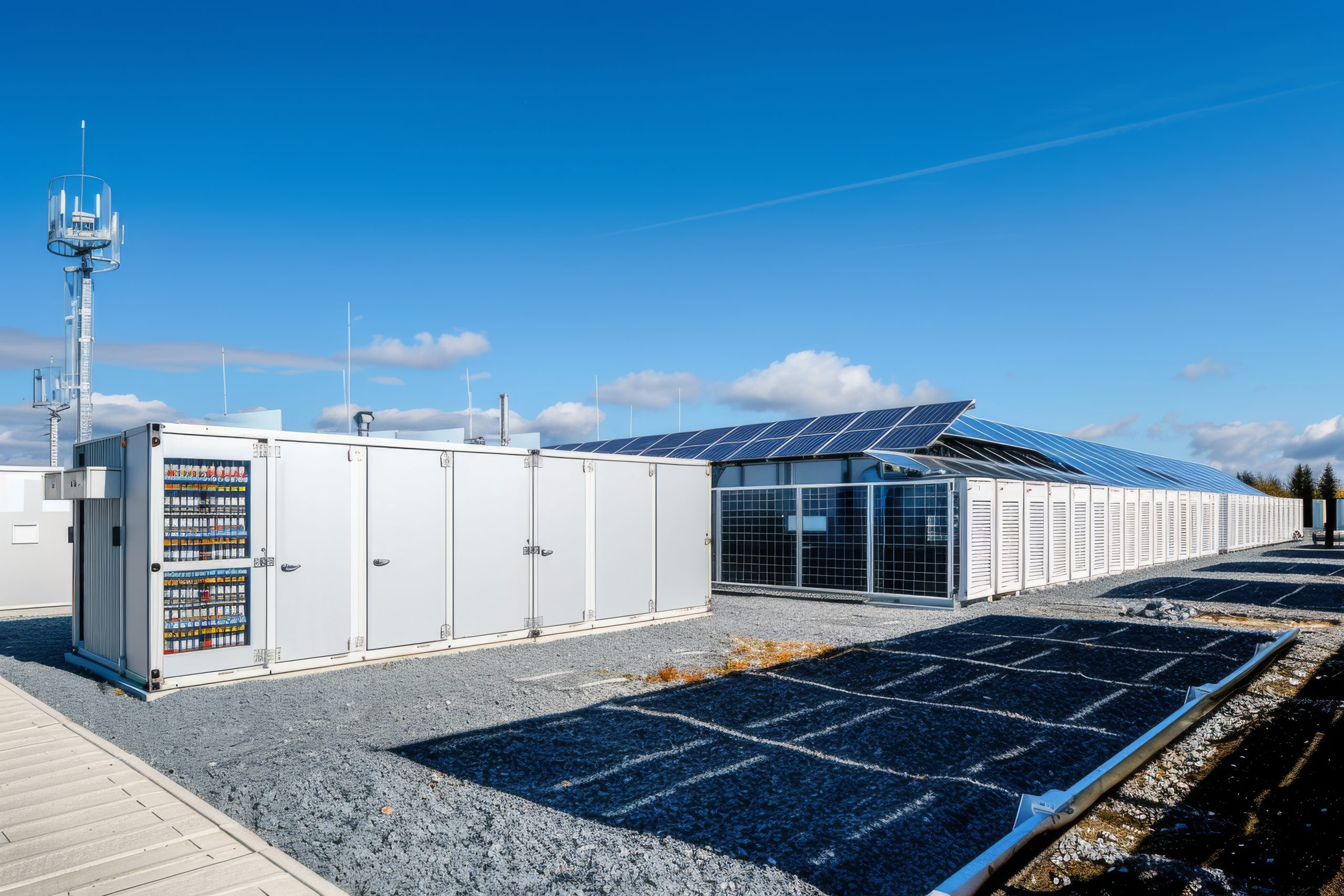
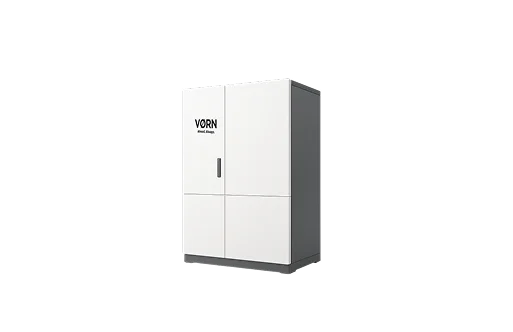
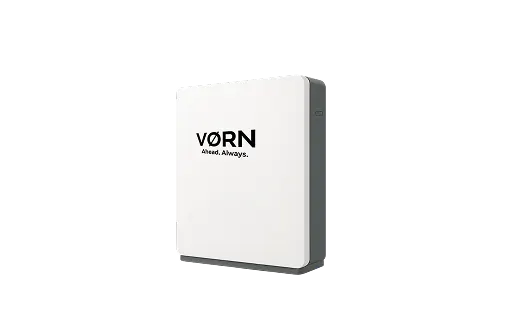
Energy storage enters the picture here. Not to replace the grid, but to help shape usage. It lets you buffer demand when timing (and not supply) becomes the limiting factor.
This planning becomes essential when operations need predictability, especially when charging shares load with facility equipment or nearby infrastructure.
2. Charging Aligned With Movement, Not Headcount
Planning based on vehicle count alone often misses the mark. What matters more is how and when those vehicles need charging.
A last-mile delivery fleet running multiple shifts uses energy differently from a school transport line or a corporate shuttle network.
Charging should match the rhythm. That means mapping idle windows, watching turnaround time, and fitting the system around real breaks.
When charging logic mirrors operational movement, both energy use and infrastructure tend to settle into a workable pattern.
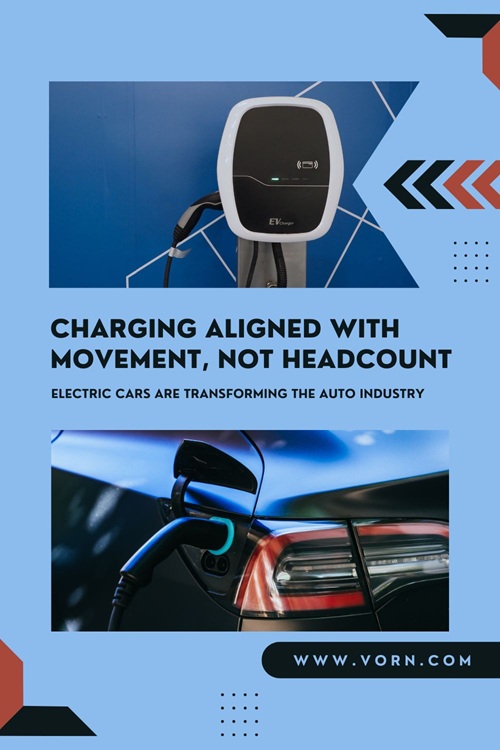
That pattern reduces stress on the system and helps maintenance feel less urgent and more predictable.
3. Space to Grow Without Starting Over
Many charging deployments run out of room before they run out of power. A layout that works for ten chargers can block expansion when the site needs twenty.
Storage units may need shifting, conduits might cross future service lanes, and technician access often gets compromised as more equipment gets added.
Modular planning helps avoid that. When layouts leave physical room to grow, future phases become simpler. It’s easier to plan space now than to clear it later when operations are already active.
4. Maintenance Shaped Into the Design
Charging stations live inside operational environments, people move around them, and vehicles run tight schedules. Uptime isn’t just ideal; it becomes non-negotiable once systems support core mobility.
That’s why servicing can’t be an afterthought. Every design choice (from charger type to placement) affects how easily issues can be addressed without interrupting usage.
Diagnostics should be visible, cable management should prevent wear, and technician access should stay intact without blocking lanes.
Systems that hold up over time often do so because they were designed to be fixed without drama. That starts at the layout stage, not during the first outage.
5. Energy as One System, Not Many Parts
Charging works better when storage, grid supply, and energy management are planned together. Fragmented systems might run, but they don’t adapt well.
During peak hours or unexpected load shifts, you want a unified system that knows where energy is coming from and where it needs to go.
Integrated planning helps with that. It allows one control system to track inputs and outputs across the board, whether the power comes from solar, grid, or battery. This matters more as complexity increases. If storage supports charging, and generation feeds storage, but none of it talks to each other, response time suffers.
Treating energy as one coordinated system makes scheduling, maintenance, and future upgrades far easier to manage.
Final Thoughts
Most problems in large EV charging deployments don’t start with hardware. They start with timing gaps, overlooked expansion needs, mismatched operational logic, or energy systems that never quite connect.
Once installed, these systems become part of someone’s daily routine. They need to run as such.
At VØRN, we approach charging infrastructure as a long-term system. That means storage is part of the plan, not an extra. Charging is mapped to real use, not assumptions. And energy planning happens with growth in mind, not just what fits today. That mindset helps our teams build systems that continue to serve, long after installation.
If you’re designing a charging setup that needs to last, get in touch. We’d be glad to walk through the next steps with you.
Recent Post
-

What Impacts EV Performance in Daily Urban Transport Use
Two runs on the same city route can place very different demands…
-
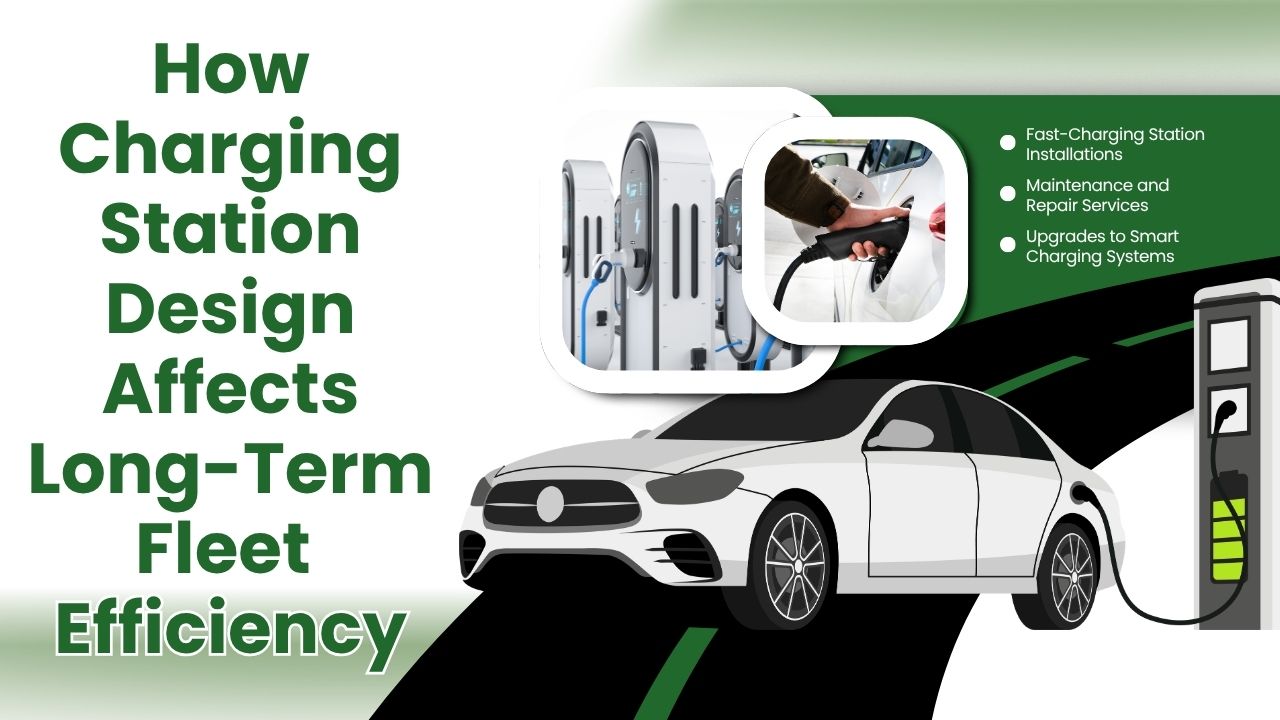
How Charging Station Design Affects Long-Term Fleet Efficiency
A fleet can lose useful time at the charger even when every…
-
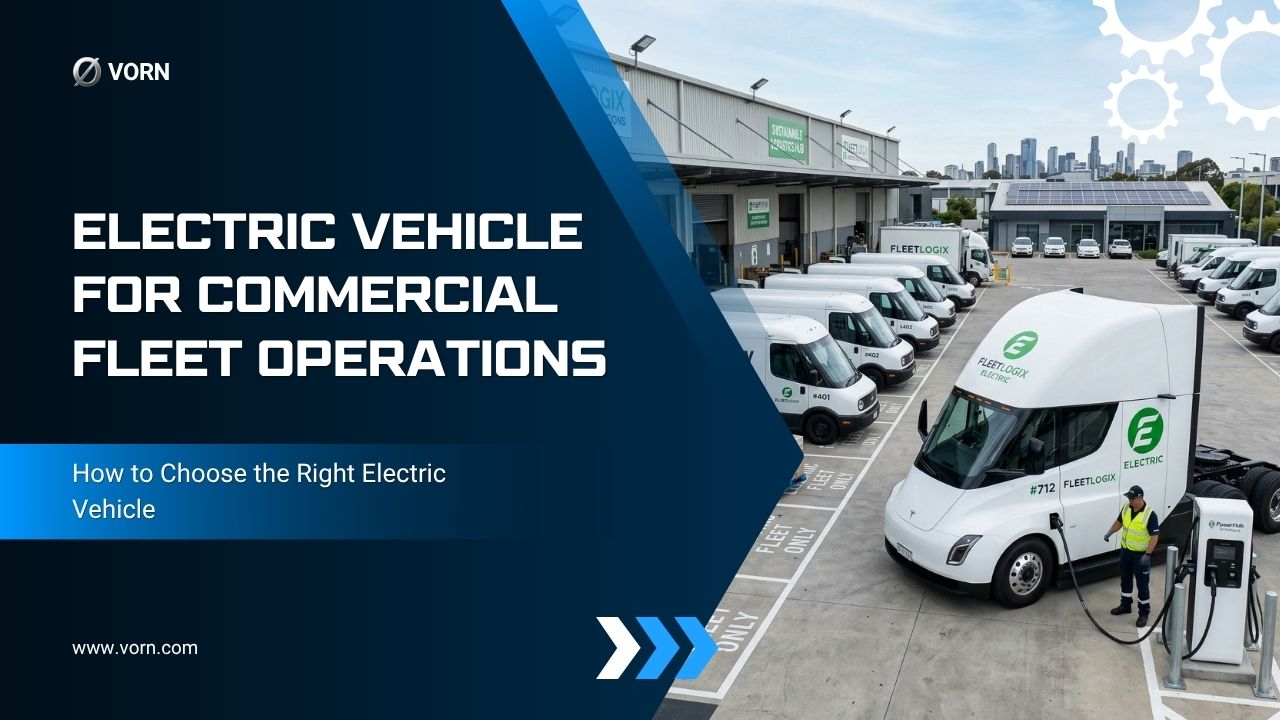
How to Choose the Right Electric Vehicle for Commercial Fleet Operations
Fleet vehicle decisions often look simple early and get harder in actual…