Planning the energy side of an EV project looks clean on paper. But execution rarely goes the same way.
Delays stack up in permits, layouts, utility upgrades, and even internal decision cycles.
Most of this ties back to the way infrastructure is scoped, sequenced, and maintained.
If you’ve worked on these projects before, you’ve likely run into at least one of the following challenges.
Let’s walk through how teams address them in practice (without having to rework entire systems mid-project).
Site Constraints Interfere with Charger Placement and ESS Configuration
The technical design might call for a certain number of chargers and storage units, but the physical space says otherwise.
Narrow turning radii, slope gradients, cable trench limitations, and overlapping zones with vehicle traffic can all interfere with buildout.
This is why infrastructure planning starts with movement, not with energy specs. If your site map reflects how your fleet actually flows, your energy setup can adapt.
Our team, for example, maps vehicle movement before locking any grid connections. We’ve seen smoother builds when the design adjusts to site behavior, rather than the other way around.
Delays in Grid Upgrades Hold Up Deployment and Energization
Utility work moves at a different pace. Grid upgrades, transformer replacements, or even basic approvals can take months. Your project timeline cannot afford to wait until that work finishes.
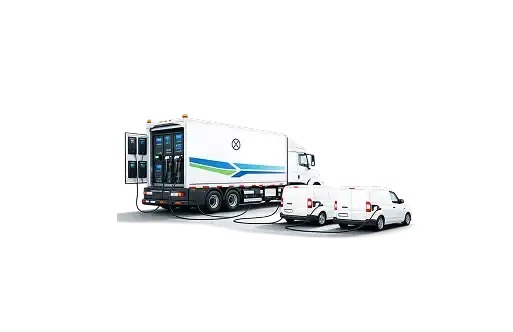
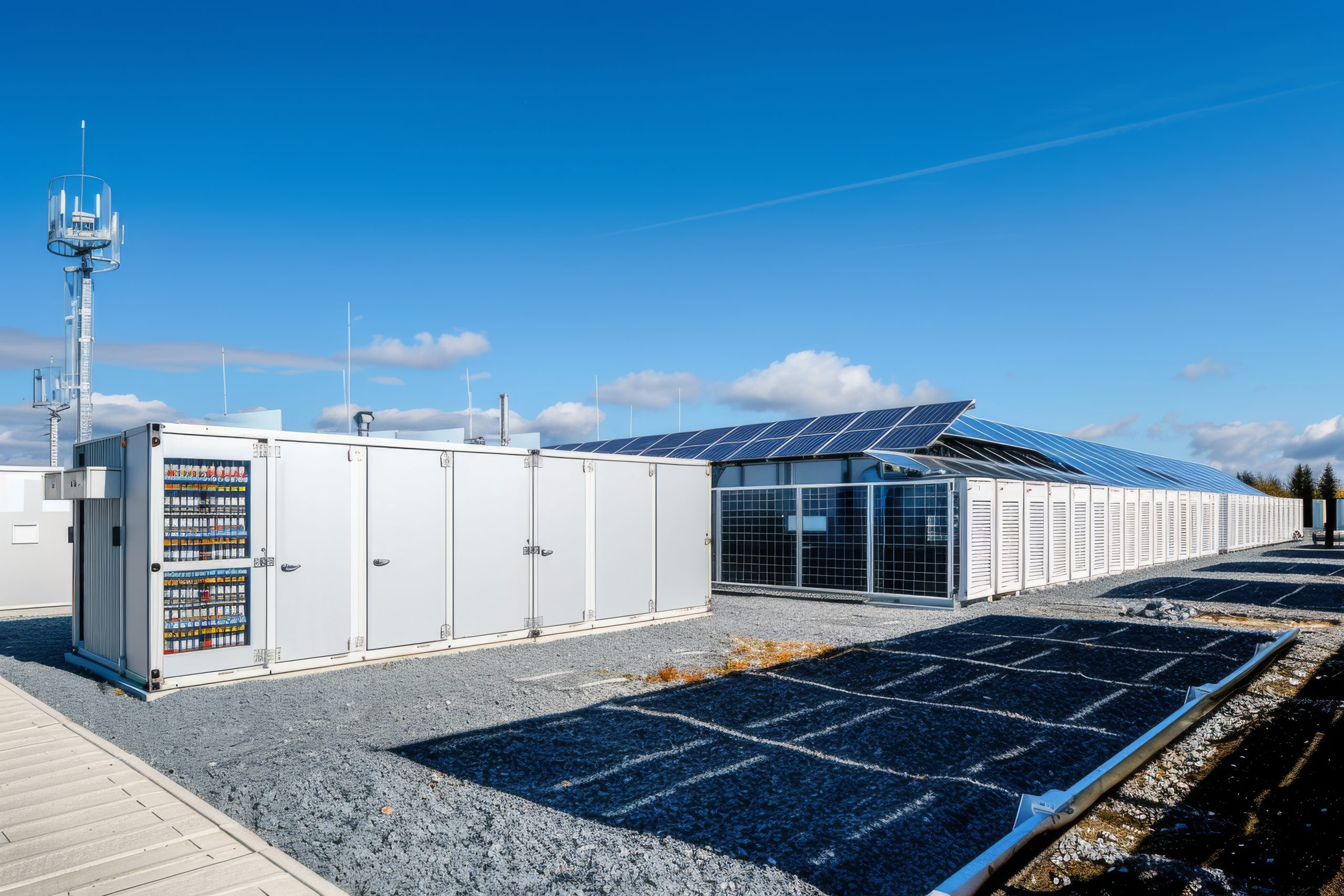
A common workaround is to start with a temporary setup: use on-site storage, islanded operations, or modular microgrids that energize systems early.
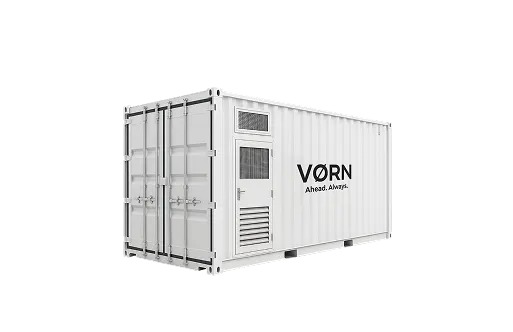
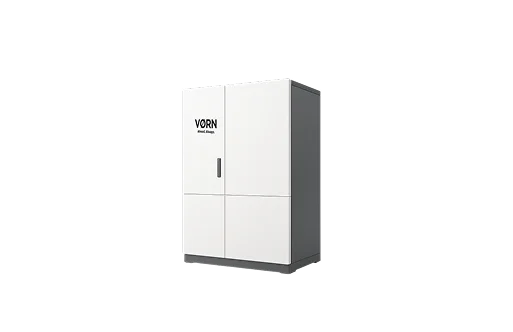
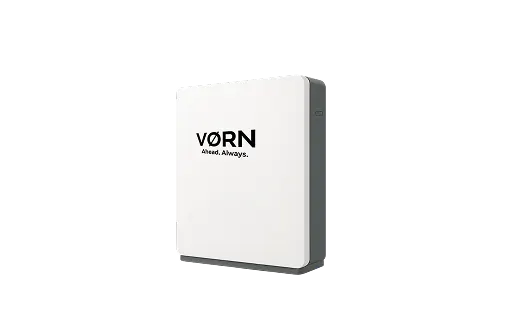
VORN’s energy stacks are often deployed in these edge scenarios, giving clients working capacity while the mainline connection catches up. That way, the fleet onboarding schedule stays intact, even when utility timelines stretch.
Mismatch Between Charging Needs and Energy Scheduling
The first instinct is often to add more chargers. But when charging schedules compete with building load or shift-based spikes, energy distribution begins to falter.
This usually shows up as erratic charging speeds or expensive peak-hour draw.
A better approach focuses on timing. Charging needs to follow vehicle usage, not just plug availability.
Our systems use fleet telematics to align energy delivery with movement schedules. When a charger knows when a vehicle departs, it can prioritize accordingly, reducing load clashes while preserving uptime.
Permitting and Compliance Slow Down Civil Execution
Most delays on-site begin earlier (inside the permitting stack). Variance requirements, interconnection rules, and environmental clearances each follow separate tracks.
A fragmented process creates gaps between design approval and field execution.
Pre-packaged, regulation-aware systems help here.
At VORN, we assemble infrastructure packages that meet local codes out of the box. Our teams preload design files and documentation that match jurisdictional norms, which helps speed up reviews and avoid revision cycles that break the build rhythm.
Post-Deployment Maintenance Planning Often Gets Deferred
Once the system is live, the attention often shifts elsewhere. But this is when slow drift begins.
Cable fatigue, cooling issues, software mismatches, and calibration errors build up over time, and eventually affect performance.
Maintenance needs to be engineered into the system. We schedule fault detection, firmware syncs, and load testing right from day one. This kind of ongoing supervision extends infrastructure life and lowers surprise costs in year two and beyond. It also builds a data trail that helps identify patterns across sites and regions.
Over time, these insights shape smarter procurement and tighter rollout planning for future projects.
Final Thoughts
Infrastructure in EV and clean energy projects rarely fails for technical reasons. It slows down when the supporting systems fall out of sync (site layout, energy timing, regulatory cycles, and system upkeep).
That’s where our work at VORN comes in. We design infrastructure that thinks ahead in movement, timing, and growth. The result is not just faster deployment, but smoother scale.
If your team is planning or reworking a project, reach out. We’ll help you shape systems that stay ready, even as the project shifts.
Recent Post
-

What Impacts EV Performance in Daily Urban Transport Use
Two runs on the same city route can place very different demands…
-
How Charging Station Design Affects Long-Term Fleet Efficiency
A fleet can lose useful time at the charger even when every…
-
How to Choose the Right Electric Vehicle for Commercial Fleet Operations
Fleet vehicle decisions often look simple early and get harder in actual…