Some fleets grow gradually, others scale in months. Either way, your energy systems need to grow with them without making you start from zero each time.
It’s rarely about volume alone. What strains your setup is how energy moves, where it gets stored, and how each part holds up under changing demand.
Let’s look at the decisions that help your infrastructure grow at the same pace as your fleet.
Modular Builds Allow Expansion without Downtime
A scalable setup lets you add without pausing what already works. That depends on how each piece is designed.
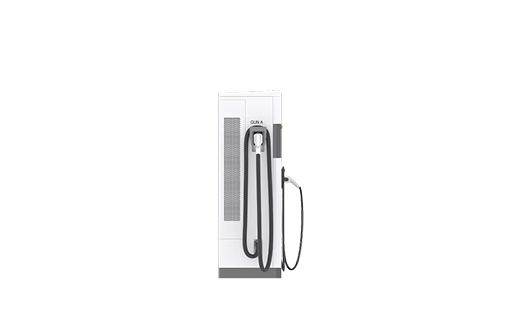
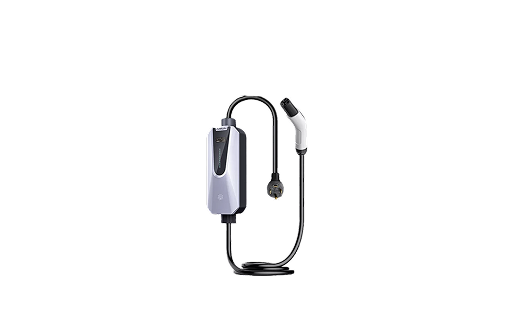
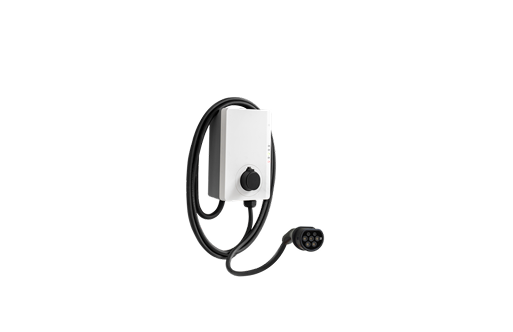
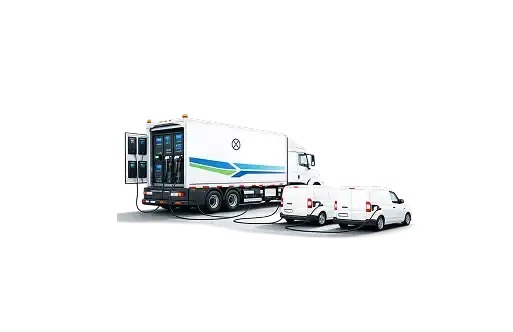
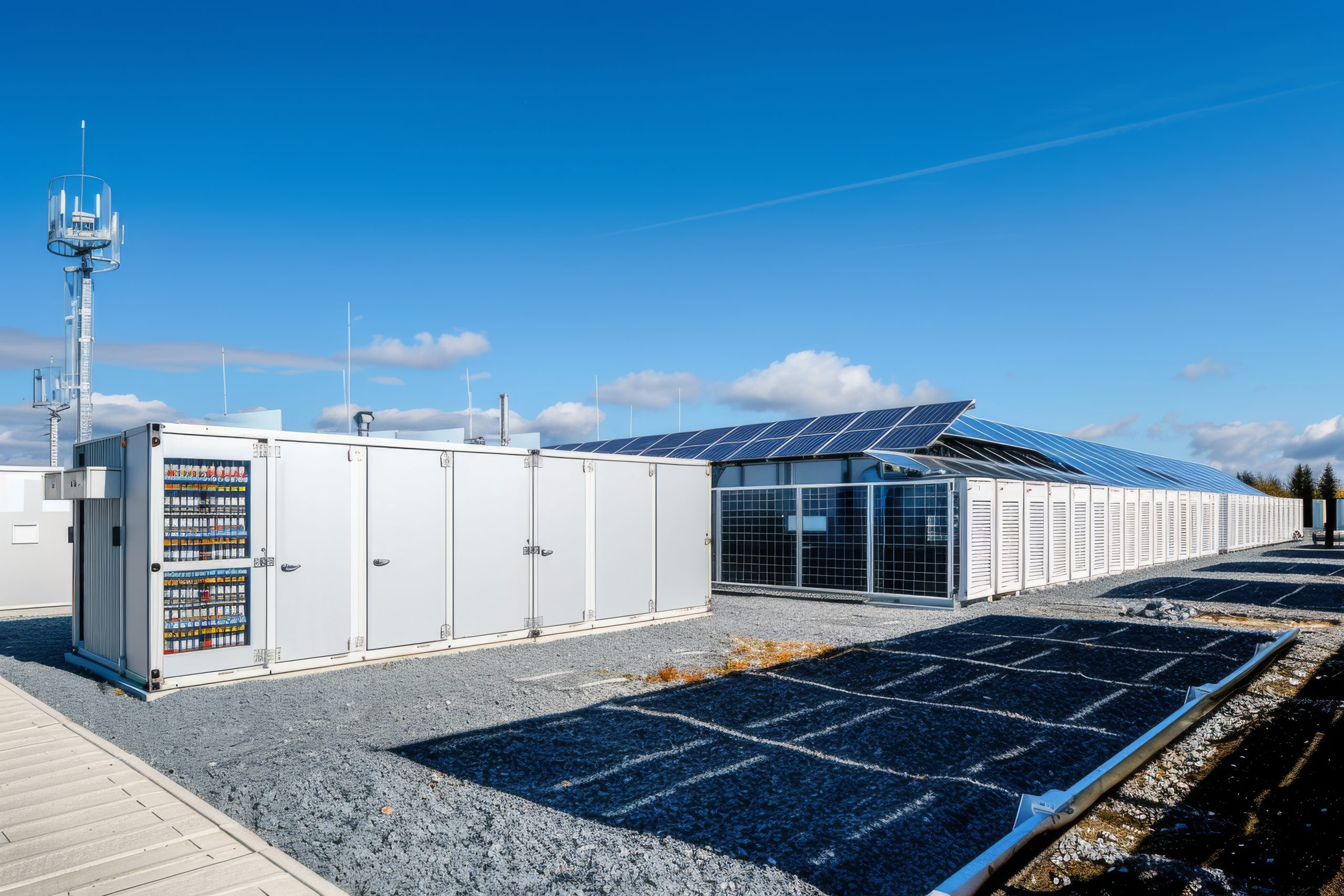
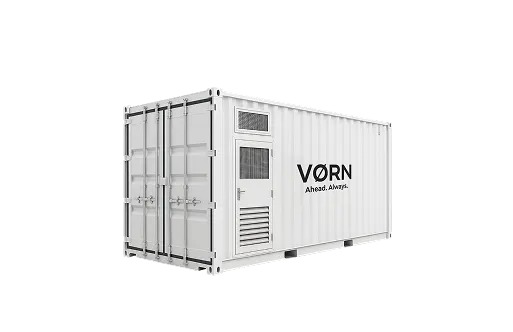
You can install charging ports as standalone units or as part of a coordinated bank. You can build energy storage in fixed rooms or use containerized units that deploy on-site with minimal prep. When expansion happens in phases, flexibility matters more than capacity.
This applies to control systems as well. If your monitoring software adjusts with load, rather than forcing a reset, scaling becomes a routine step.
Energy Storage Plays an Active Role in Shaping Demand
Storage allows your site to balance what’s available with what’s needed. Without it, your system depends entirely on live grid performance and timing. That works in the short term. But it limits scale.
To stay future-ready, your storage setup should:
- Handle both peak-hour draw and off-peak input
- Sit close to the load centers that need stability
- Match your real usage cycles, not just maximum draw
Our ESS platforms follow this logic. We shape container capacity and battery chemistry based on the site’s actual demand variation, not just general benchmarks.
EV Charging Must Coordinate with Vehicle Patterns, not Just Power Limits
Scalability becomes unworkable when vehicles and chargers fall out of sync.
For a ten-vehicle fleet, that’s manageable. For fifty, that depends on how you schedule, monitor, and reassign.
Coordination comes from software, but only if the system can respond in real time. A charger needs to know when a vehicle is idle, when it’s scheduled to move, and how long its next route runs. Without this context, the system charges blindly and leaves performance gains untouched.
That’s why we integrate control layers directly into our charging systems. Usage and movement shape the energy distribution, not just port availability.
Local Grid Capacity Shapes Scale Before You Even Plan It
Public utilities don’t expand at your pace. That means your energy system has to do more than follow demand; it has to anticipate constraint.
Pre-engineered systems help here. If your infrastructure partner can deliver packages that meet local norms and voltage specs, scale becomes procedural. You file once. You deploy in weeks, not quarters.
We do this with airport sites, ports, and mixed-fleet depots across multiple countries. Uniform architecture, adapted for local compliance, allows faster clearances and repeatable expansion.
Site Layout Affects Uptime as Much as Hardware
A scalable site fails when cables cross paths, when vehicles queue inefficiently, or when access requires pausing other operations. None of that is visible on paper, but it shows up the moment you expand.
Here’s what we’ve seen work:
- Charging paths that avoid cross-traffic with active routes
- ESS placed close to load centers, reducing transmission loss
- Multi-port chargers positioned to flex across bays
- Layouts that allow parallel expansion, not linear choke points
This reduces conflict between energy operations and fleet operations. You expand without blocking movement or delaying dispatch.
Final Thoughts
Most infrastructure projects begin with capacity estimates. Scalable ones begin with questions around usage, timing, and load behavior. That shift in focus changes how systems hold up as the fleet expands.
We’ve supported operators scaling from a handful of chargers to full-yard coverage within a quarter. What made that possible was alignment between fleet patterns, power design, and system control. Modular blocks reduced deployment time. Built-in coordination meant energy moved where and when it was needed.
At VORN, we build EV infrastructure with that kind of flexibility from the start. If you’re expanding your EV fleet and want your systems to stay ahead of it, contact us. We’re here to help!!
Recent Post
-

What Impacts EV Performance in Daily Urban Transport Use
Two runs on the same city route can place very different demands…
-
How Charging Station Design Affects Long-Term Fleet Efficiency
A fleet can lose useful time at the charger even when every…
-
How to Choose the Right Electric Vehicle for Commercial Fleet Operations
Fleet vehicle decisions often look simple early and get harder in actual…